Tips & Tricks
Routine Rental Inspection Cleaning Checklist for Tenants
4 October 2026
A routine inspection notice can make any tenant a little nervous. You know the place is lived in, and suddenly a property manager will be walking through every room with a clipboard or tablet. The good news is that a routine inspection isn't an end-of-lease bond clean. The agent is checking that the property is being looked after, that nothing is damaged, and whether any repairs are needed. A tidy, reasonably clean home is usually all it takes.
This rental inspection cleaning checklist covers what property managers typically look at, a room-by-room list, a simple plan for the 48 hours before, and how to deal with repairs and damage.
How Routine Inspections Work in NSW
In NSW, the Residential Tenancies Act allows a landlord or agent to inspect the property up to four times in any 12-month period, with at least seven days' written notice. Rules differ in other states and territories, so check NSW Fair Trading or your local regulator for the current requirements. You don't have to be home for the inspection, but you can be. Inspections usually involve a walk-through of every room and outdoor area, often with photos, which are compared against the condition report and earlier inspections.What Property Managers Look For
Agents aren't usually checking for spotless skirting boards. They're looking for: - Damage: holes in walls, broken fixtures, damaged floors, cracked tiles. - Cleanliness and hygiene: a reasonable standard of cleanliness, no build-up of grime, mould or rubbish. - Maintenance issues: leaks, dripping taps, mould, faulty appliances or smoke alarms. - Lease compliance: unapproved pets, extra occupants or alterations. - Outdoor areas: lawns and gardens maintained as the lease requires, and no rubbish build-up. Your aim is to show that you're looking after the property, and to make sure any genuine maintenance issues are recorded.Room-by-Room Rental Inspection Checklist
Entry and living areas
- Declutter surfaces and floors. - Dust shelves, TV units and window sills. - Wipe marks off walls, light switches and doors, testing any cleaner on a hidden spot first. - Vacuum carpets and rugs, and mop hard floors. - Clean window glass where you can reach, and wipe tracks.Kitchen
- Wash dishes and clear the benches. - Wipe benches, splashback and cupboard doors. - Clean the stovetop and the front of the oven. - Give the oven a clean if it's heavily soiled, starting a day or two early so any soaking products have time to work. - Clean the sink and tap. - Empty the bin and wipe the lid. - Clean the rangehood surface and check the filter.Bathroom and toilet
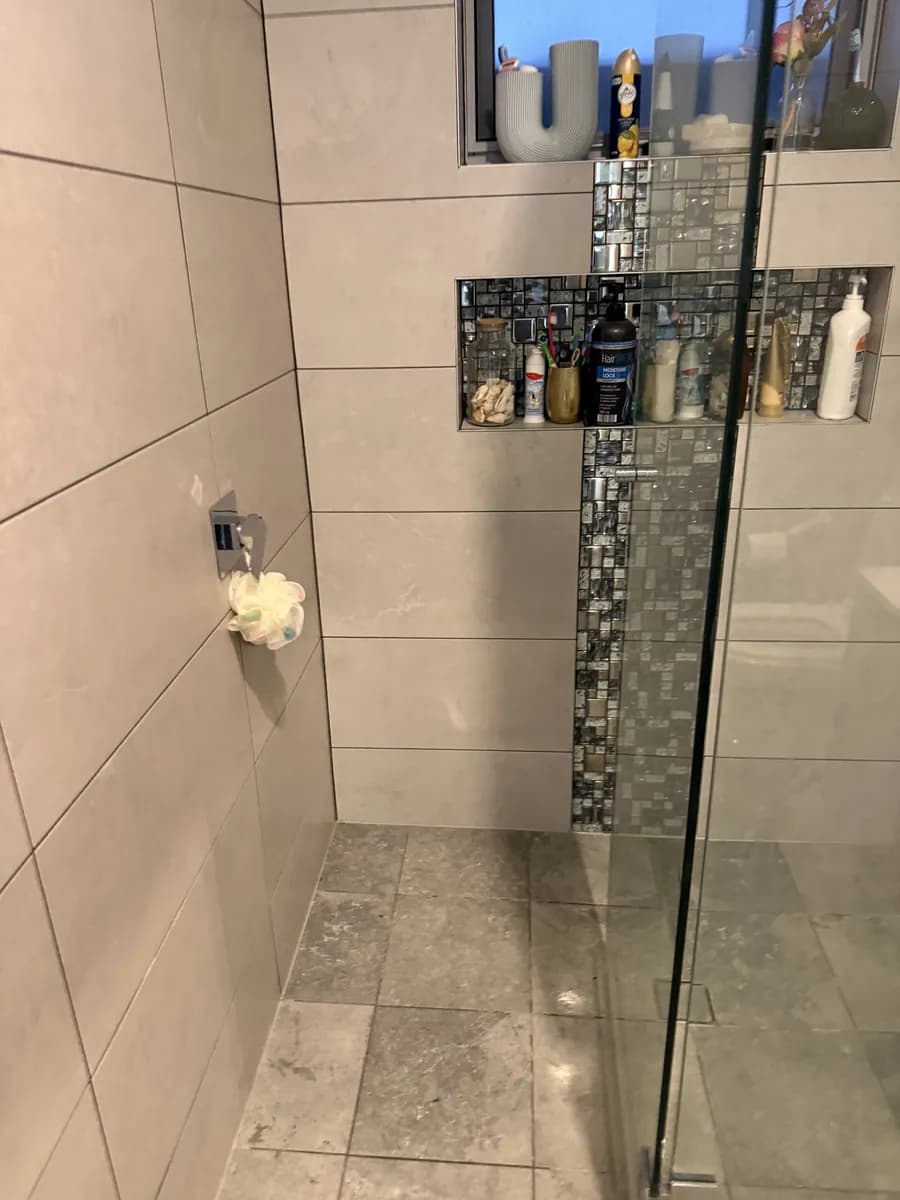
- Clean the toilet inside and out, including the base. - Clean the shower screen, tiles and grout. - Check for mould on ceilings, silicone and grout and clean it early. Our guide to removing bathroom mould explains how. - Clean the basin, vanity, mirror and taps. - Mop the floor.Bedrooms
- Make the beds and tidy floors. - Dust surfaces and wipe wardrobe doors. - Vacuum carpet, including corners.Laundry
- Wipe the tub, taps and benches. - Clean the lint filter in the dryer. - Check behind the washing machine for spills and dust.Outdoor areas
- Mow and edge lawns, and weed garden beds if the lease makes you responsible. - Sweep balconies, decks and paths. - Remove rubbish and make sure bins aren't overflowing. - Clean barbecues if they belong to the property. - Pick up after pets.A 48-Hour Inspection Plan
You don't need to clean for a week. A simple plan works.Two days before
- Do a walk-through with your phone and note anything that needs attention. - Tackle the bigger jobs first: bathroom, oven, any mould. - Do any washing so it's not piled up on inspection day.The day before
- Kitchen and bathroom clean. - Dust and wipe surfaces throughout. - Vacuum and mop floors. - Outdoor tidy-up.Inspection morning
- Make beds, clear the sink, empty bins. - Open windows for fresh air. - Secure pets or take them out, as agreed with the agent. - Put away valuables and private documents.Repairs and Damage: Be Upfront
An inspection is a good chance to get maintenance issues on the record. - Report repairs in writing to your agent before the inspection, and mention them again on the day. - Don't hide problems such as leaks or mould. Small leaks can cause big damage, and reporting them protects you. - Know the difference between fair wear and tear, such as faded paint or worn carpet in walkways, and damage, such as holes or burns. - Ask before fixing anything major yourself, as some repairs must be done by licensed tradespeople. If you have mould caused by a building problem, such as a leak or poor ventilation, report it. Your landlord may be responsible for fixing the cause.Take Your Own Photos
After you've cleaned, take a few dated photos of each room, especially any existing damage, wear or maintenance issues. Keep them with your copy of the condition report and any repair requests. If there's ever a disagreement about when damage happened, or about the condition of the property at the end of your tenancy, your own records will help. It only takes a few minutes with your phone.Keeping On Top of It Between Inspections
The easiest inspection is the one you barely need to prepare for. A few habits help: - Run the bathroom fan and wipe the shower screen after use. - Wipe the stovetop after cooking. - Vacuum weekly. - Deal with spills and marks when they happen. - Keep a simple monthly routine for the oven, windows and outdoor areas. If life is busy, a regular clean helps. Our house cleaning service can work fortnightly or as a one-off before an inspection.Routine Inspection vs End-of-Lease Clean
A routine inspection is about general condition. An end-of-lease clean is far more detailed, because the property must be returned in the condition recorded at the start, fair wear and tear excepted, before your bond is released. When it's time to move out, see our end of lease cleaning service and our bond cleaning checklist. Moving into a new place? Use our move-in cleaning checklist.Frequently Asked Questions
How clean does my rental need to be for an inspection?
Reasonably clean and tidy, without damage or hygiene problems. It doesn't need to be at end-of-lease standard.How often can a landlord inspect in NSW?
In NSW, routine inspections can happen up to four times in a 12-month period with at least seven days' written notice. Check NSW Fair Trading for current rules.Do I need to be home for a rental inspection?
No. The agent can enter with the correct notice even if you're not home, but you're welcome to be there.What if the agent finds mould?
Clean minor mould caused by everyday use, and report mould caused by leaks, rising damp or poor ventilation so the landlord can fix the cause.Need a Hand Before Inspection Day?
If you'd like help getting the place ready, contact iCleanPro for a one-off clean before your inspection.Ready for a Spotless Home?
Get a free quote from Sydney's most trusted cleaning team.
Get My Free Quote →