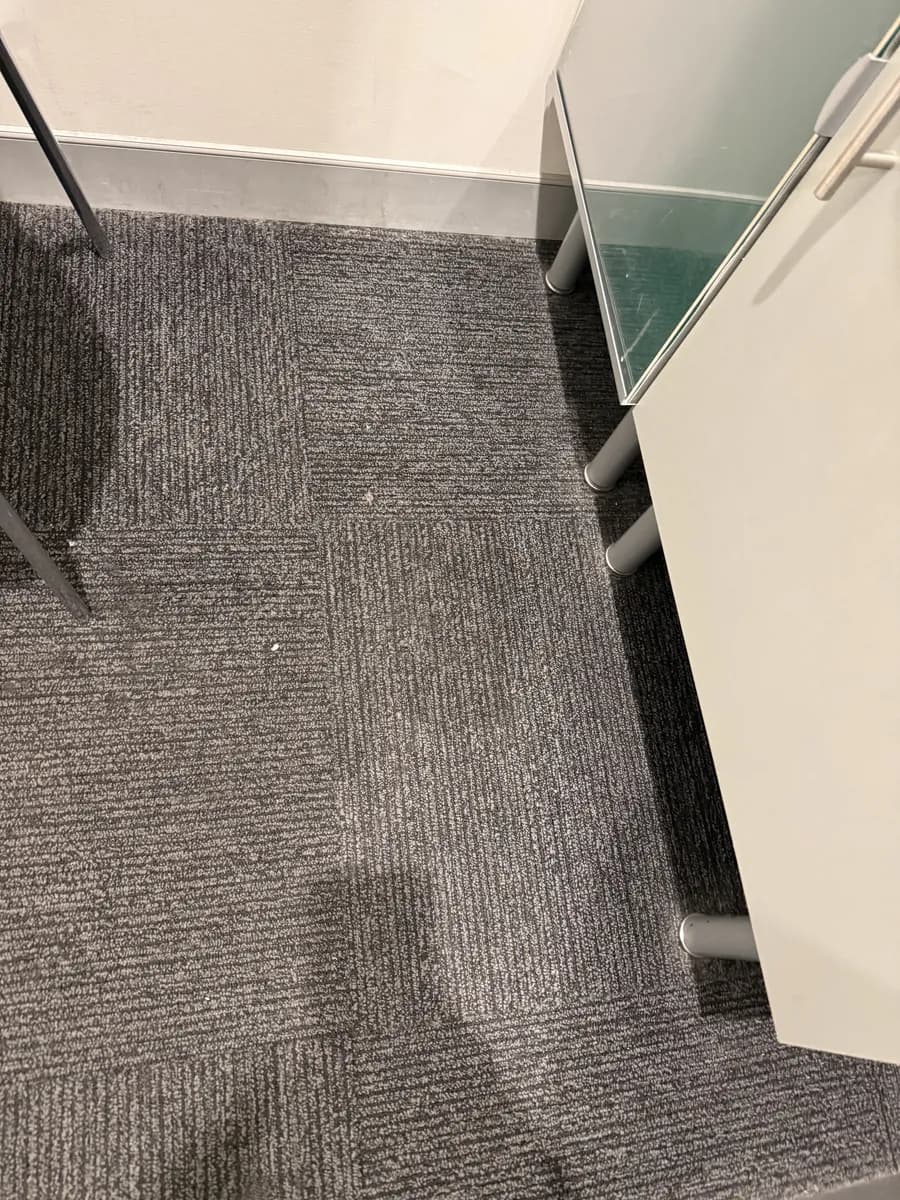
Carpet
How to Remove Carpet Stains: A Practical Guide by Stain Type
4 October 2026
Every carpet eventually meets a spilt coffee, a muddy shoe or a pet that didn't make it outside in time. What you do in the first few minutes usually decides whether the mark disappears or becomes a permanent feature. This guide explains how to remove carpet stains by type, using things most households already have, and when it's time to stop experimenting and get help.
The Golden Rules for Any Carpet Stain
Before you reach for a product, follow these rules. They matter more than the cleaner you choose. 1. Act quickly. Fresh spills are far easier to remove than dried ones. 2. Blot, don't rub. Rubbing pushes the stain deeper and roughens the carpet pile. Press a clean white cloth or paper towel onto the stain and lift. Repeat with fresh sections of the cloth. 3. Work from the outside in. Starting at the edge stops the stain spreading into a bigger ring. 4. Use a little liquid at a time. Soaking the carpet can wet the backing and underlay, which can cause odours, browning or mould. 5. Test first. Try any cleaner on a hidden patch, such as inside a wardrobe, and check for colour change after it dries. 6. Rinse. Detergent left in carpet attracts dirt, so the spot can come back darker than before. Finish by blotting with plain water. 7. Know your carpet. Wool and wool blends are more sensitive to heat, high pH and strong chemicals than synthetic carpets like nylon or polyester. If you're not sure what you have, assume it's delicate.Simple Stain-Removal Kit
• White cloths or plain paper towels (coloured cloths can transfer dye) • A spray bottle of lukewarm water • Mild, clear dishwashing liquid • White vinegar • A spoon or blunt knife for scraping • A wet/dry vacuum, if you have one Many carpet manufacturers also recommend specific spotting products for their carpets. Check the care guide if you still have it.How to Remove Common Carpet Stains
Coffee and tea
1. Blot up as much liquid as you can. 2. Mix a few drops of dishwashing liquid with warm water. Apply it sparingly with a cloth and blot. 3. Follow with a solution of white vinegar and water, then blot again. 4. Rinse with plain water and blot dry. Milky coffee leaves protein and fat behind, so you may need a second pass with the detergent solution.Red wine
1. Blot immediately. Don't pour salt on it and grind it in. 2. Blot with cool water to dilute the wine. 3. Apply the mild detergent solution and blot from the outside in. 4. Rinse and blot dry. Red wine contains strong dyes. If a pink shadow remains after it dries, don't keep scrubbing. A professional clean has a better chance of lifting it without damaging the fibres.Pet urine
1. Blot up as much as possible, pressing firmly with layers of paper towel. 2. Apply a white vinegar and water solution and blot. 3. Rinse and blot. 4. Use an enzyme-based pet stain product as directed. Enzyme cleaners are designed to break down the organic compounds that cause the lingering smell. Avoid steam or very hot water on urine stains, because heat can set both the stain and the odour. If a pet has used the same spot repeatedly, the urine has probably reached the underlay, and surface cleaning won't fully fix it.Vomit and other organic stains
1. Remove solids with a spoon or blunt knife, working inwards. 2. Blot with cool water. Hot water can set protein stains. 3. Apply a mild detergent solution, blot, then rinse. 4. Use an enzyme cleaner if odour remains.Grease, oil and butter
1. Scrape off any solid residue. 2. Sprinkle a little bicarbonate of soda or cornflour on the spot to absorb the oil. Leave it for a while, then vacuum. 3. Apply the mild detergent solution and blot. 4. Rinse and blot dry. Heavy oil, such as motor oil from a garage floor on someone's shoes, may need a solvent-based spotter. Follow the label closely and ventilate the room.Mud and dirt
1. Let it dry. Wet mud smears. Dry mud breaks up. 2. Break up the dried mud and vacuum thoroughly. 3. Treat any remaining mark with the detergent solution, then rinse and blot.Chocolate
1. Scrape off as much as you can. 2. Blot with the detergent solution, then rinse. 3. If an oily mark remains, treat it like a grease stain.Candle wax
1. Let the wax harden. You can speed it up with an ice pack in a plastic bag. 2. Gently scrape off the hardened wax. 3. Place a brown paper bag or plain paper towel over the remaining wax and press briefly with a warm iron on a low setting. The paper soaks up the wax. Keep the iron moving, and don't use this method on wool or carpets that may melt. 4. Treat any colour left from the candle dye as a separate stain.Chewing gum
Freeze it with ice in a bag, then pick or scrape it out once brittle. Treat any residue with the detergent solution.Blood
Use cold water only, because warm water sets blood. Blot repeatedly with cold water, then use a small amount of the detergent solution, rinse, and blot dry.Ink and nail polish
These are best left to a professional. Solvents that dissolve ink and polish can also dissolve carpet dyes, backings and adhesives. Blot what you can and call for help.Common Mistakes That Make Stains Worse
• Rubbing hard. It frays fibres and spreads the stain. • Using too much product. Residue attracts dirt and leaves a darker patch. • Using coloured cloths. Dye can transfer onto pale carpet. • Mixing products. Never combine chemicals. Some combinations release harmful gases. • Applying heat too soon. Heat sets protein stains and some dyes. • Using bleach or strong oxidisers. They can remove carpet colour permanently.When to Call a Professional Carpet Cleaner
Home spot cleaning is great for fresh spills. Book a professional when: • A stain has come back after drying, which usually means residue or a deeper source. • You're dealing with pet urine that has soaked through to the underlay. • The carpet is wool, silk or an expensive rug. • There's a large area, or many old stains across a room. • You're moving out and the lease requires a professional carpet clean. Professional hot-water extraction rinses soil and residue out of the carpet rather than just treating the surface. Our carpet cleaning service covers homes and offices across South West Sydney. If you're comparing options, our guide to the cost of professional carpet and rug cleaning explains what affects pricing. For sofas and armchairs, see our upholstery deep cleaning guide.Frequently Asked Questions
What is the best homemade carpet stain remover?
For most fresh water-based stains, a few drops of clear dishwashing liquid in warm water, followed by a rinse with plain water, works well. A white vinegar and water solution helps with odours and some residues. Always test first.Does baking soda remove carpet stains?
Bicarbonate of soda is useful for absorbing oily spills and odours. Sprinkle it, let it sit, and vacuum it up. It isn't a complete stain remover on its own.Why did my carpet stain come back after cleaning?
This is called wicking. The stain reached the base of the fibres or the backing, and as the carpet dried, moisture carried it back to the surface. Leftover detergent can also attract dirt. Blot with plain water, place a thick layer of paper towel on the spot with something heavy on top, and let it dry.Can I use a steam cleaner on carpet stains?
Heat is helpful for some stains but sets others, especially protein stains such as blood, urine and vomit. Remove as much as you can first, check your carpet care guide, and avoid high heat on wool.Don't Let a Stain Become Permanent
Keep this guide handy for the next spill. If a stain won't budge or your carpets need a full refresh, request a quote from iCleanPro. Related guide: Cleaning Tips for Pet Owners: Hair, Odours and Accidents Related guide: How to Clean a Mattress: Stains, Odours and Dust MitesReady for a Spotless Home?
Get a free quote from Sydney's most trusted cleaning team.
Get My Free Quote →