Tips & Tricks
Eco-Friendly Cleaning Products: What Works and What to Avoid Mixing
4 October 2026
More Australian households are looking for ways to clean with fewer harsh chemicals, less packaging and less waste. That's a good goal, but "natural" doesn't automatically mean effective or safe for every surface. Vinegar can etch stone benchtops. Some homemade mixtures cancel each other out, and a few are genuinely dangerous.
This guide explains which eco friendly cleaning products work for which jobs, how to read labels and ecolabels, which surfaces need extra care, and the mixtures you should never make.
What Makes a Cleaning Product "Eco-Friendly"?
There's no single legal definition of an eco-friendly cleaning product in Australia, so the term on a label can mean different things. When comparing products, consider: • Ingredients: does the brand disclose what's in the product? • Biodegradability: will the ingredients break down after they go down the drain? • Packaging: is it recyclable, made from recycled material, or available as a refill or concentrate? • Concentration: concentrates mean less plastic and less transport per clean. • Independent certification: has a third party checked the claims?Ecolabels
Independent ecolabels are more useful than words like "green" or "natural" printed by the manufacturer. In Australia, Good Environmental Choice Australia (GECA) runs a recognised ecolabel program for cleaning products. Look for a certification you can check on the certifier's website.Be wary of vague claims
The ACCC has warned businesses about misleading environmental claims. If a product claims to be "eco" or "non-toxic" without any detail, treat that with some caution and read the ingredients and directions.The Basic Eco Cleaning Kit
You can handle most household cleaning with a small set of simple products and good tools.Microfibre cloths
Good microfibre cloths pick up dust and grime with water alone on many surfaces, reducing how much product you need. Wash them regularly without fabric softener, which clogs the fibres.Mild dish soap or a plant-based detergent
A few drops in warm water cleans benches, cupboards, floors and most washable surfaces. Detergent is what actually lifts grease and grime.Bicarbonate of soda
Bicarb is mildly abrasive and deodorising. It's useful for: • scrubbing sinks, stovetops and baths as a paste • deodorising bins, fridges and carpets • loosening baked-on grime in ovens when left as a paste overnight.White vinegar
Vinegar is acidic, which makes it good at dissolving limescale and soap scum. Use it, diluted, on: • shower screens and taps with hard water marks • kettles (descaling) • glass and windows.Hot water and steam
Hot water boosts cleaning power. Steam cleaners can clean and refresh many hard floors and grout without chemicals. Check the flooring manufacturer's advice first, as steam can damage some timber, laminate and vinyl floors.Where Natural Products Fall Short
Disinfection
Vinegar and bicarb are not registered disinfectants. For most homes, regular cleaning with detergent and water is enough for everyday hygiene. When you genuinely need to disinfect, for example after illness or when cleaning raw meat surfaces, use a product that's labelled as a disinfectant and follow the directions, including the contact time. Disinfectant products are regulated in Australia, and the label will show what they're approved for.Mould
Vinegar can help on light surface mould, but persistent mould usually needs a dedicated mould product and, more importantly, fixing the moisture problem. Our guide to removing bathroom mould explains the process and when to call a professional.Heavy grease
Thick, baked-on grease in rangehoods and ovens often needs a dedicated degreaser or professional cleaning.Surfaces That Need Care
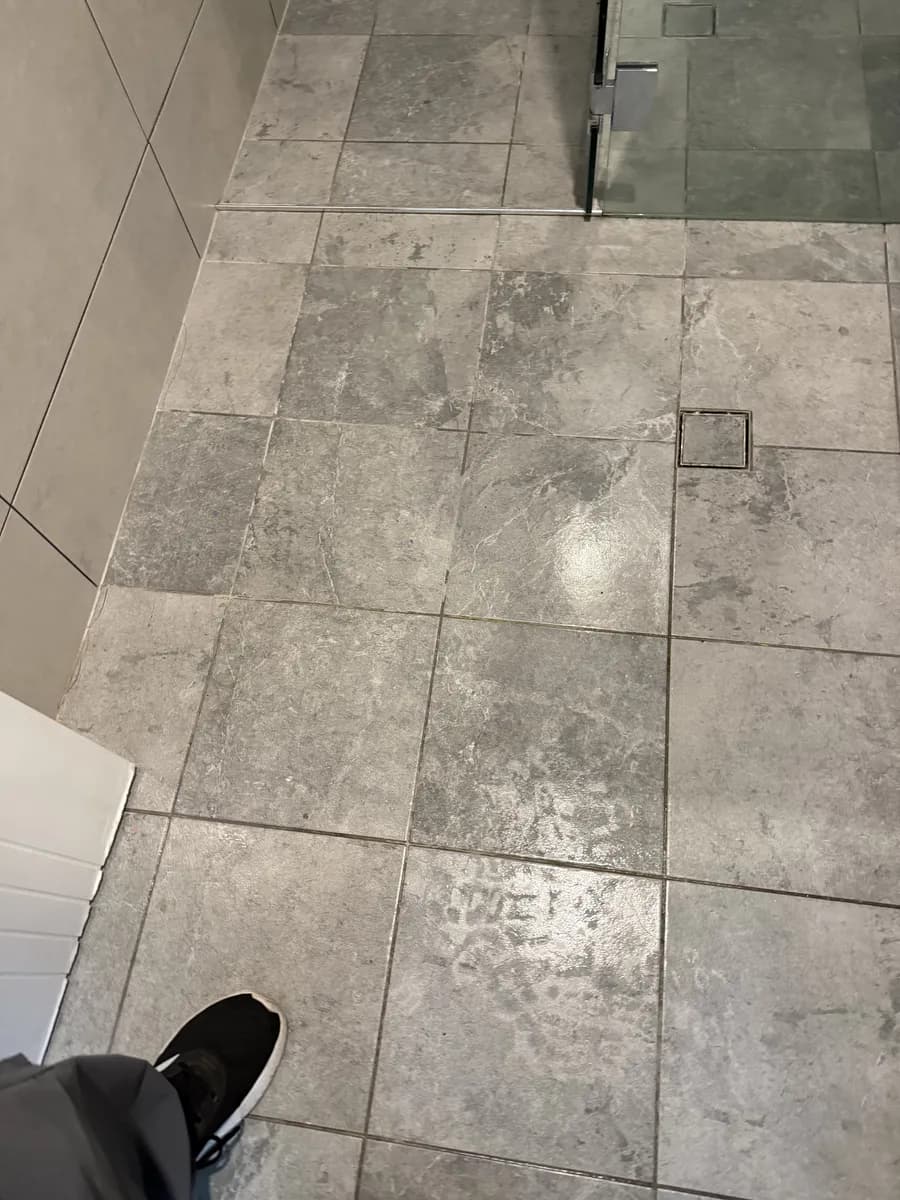
"Natural" acids and abrasives can damage some surfaces. • Natural stone (marble, limestone, travertine, granite): don't use vinegar, lemon juice or other acids. They can etch and dull the surface. Use a pH-neutral cleaner made for stone. • Engineered stone: follow the manufacturer's care guide. Many recommend mild detergent and warm water. • Timber floors and furniture: avoid soaking with water or vinegar. Use a damp, not wet, mop and a cleaner suited to the finish. • Grout: acids can wear away cement-based grout over time. Our tile and grout cleaning guide explains safer methods. • Stainless steel: avoid abrasive pastes, which can scratch. Clean with the grain using a soft cloth. • Screens and electronics: use only what the manufacturer recommends.Mixtures You Should Never Make
Mixing cleaning products can be dangerous, and that includes some "natural" combinations. • Bleach and vinegar (or any acid): releases chlorine gas. • Bleach and ammonia: releases toxic chloramine gases. Some glass cleaners contain ammonia. • Different drain cleaners: can react violently. • Hydrogen peroxide and vinegar in the same container: creates a corrosive acid. Combinations that are safe but don't do much include bicarb and vinegar. The fizz looks impressive, but the acid and alkali neutralise each other, leaving mostly salty water. Use them separately for their own strengths. The rule: use one product at a time, rinse between products, and never mix products in the same bottle. If you feel unwell after exposure to cleaning fumes, get fresh air and contact the Poisons Information Centre on 13 11 26.Simple Eco Cleaning Recipes
These simple mixtures are widely used. Label any bottle you fill, and test on a hidden area first. • All-purpose cleaner: warm water with a few drops of mild dish soap in a spray bottle. • Glass cleaner: water with a splash of white vinegar, wiped off with a microfibre cloth. • Scrubbing paste: bicarb with a little water or dish soap. • Limescale remover: diluted white vinegar, not on stone, rinsed off afterwards.Reducing Waste While You Clean
• Buy concentrates and refills. • Switch from paper towel to washable cloths. • Use the right amount of product. More product doesn't mean cleaner surfaces, and residue attracts dirt. • Dispose of unwanted chemicals through your council's household chemical collection, not down the drain.Room-by-Room Eco Cleaning Tips
Kitchen
Use warm soapy water for benches and cupboard doors, bicarb paste for the sink, and a microfibre cloth for stainless steel. Clean up oven spills while they're fresh so you don't need heavy-duty products later.Bathroom
Squeegee the shower screen after use to stop soap scum and limescale building up. Diluted vinegar works on glass and chrome, but keep it off natural stone and rinse it from grout.Floors
Vacuum first, then damp mop with a small amount of pH-neutral cleaner in warm water.Do Professional Cleaners Use Eco-Friendly Products?
Many do, and you can ask for low-fragrance or eco-certified products when booking. If you're wondering what a cleaner brings, see do cleaners provide their own equipment. iCleanPro's house cleaning service can use products you supply or low-tox options on request.Frequently Asked Questions
Is vinegar a disinfectant?
No. Vinegar is useful for dissolving limescale and soap scum, but it isn't a registered disinfectant. Use a labelled disinfectant when you need to disinfect.Can I use vinegar on stone benchtops?
No. Acids can etch marble, limestone and other natural stone. Use a pH-neutral stone cleaner.Is it safe to mix bicarb and vinegar?
It's safe, but not very useful, because they neutralise each other. Use them separately.What does an ecolabel tell me?
A recognised ecolabel means an independent organisation has assessed the product against environmental criteria. Check the certification on the certifier's website.Prefer a Greener Clean?
If you'd like a regular clean using low-tox products, contact iCleanPro and tell us your preferences when you book. Related guide: Cleaning for Allergy Sufferers: Reducing Dust, Pollen and Mites at Home Related guide: How to Clean Stainless Steel Appliances Without StreaksReady for a Spotless Home?
Get a free quote from Sydney's most trusted cleaning team.
Get My Free Quote →